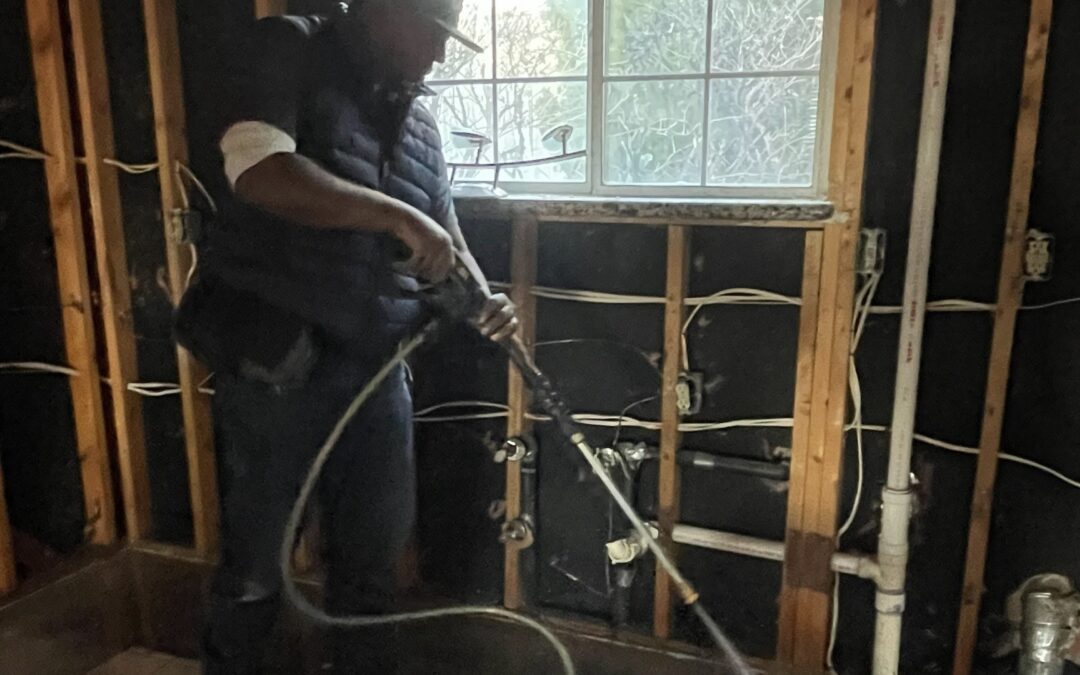
When a fire happens, extinguishing the flames is only the first step. The smoke, soot, and chemical residue left behind cause serious structural harm if handled incorrectly. A certified technician steps in right after the fire department leaves to stop this secondary destruction. They bring specialized testing equipment and strict containment protocols to salvage your property safely.
Recovering a fire-damaged home requires more than a bucket of soapy water; it takes exact science to remove toxic ash and protect the unburned rooms.
Why Does DIY Smoke Cleanup Fail?
Property owners often want to start cleaning up immediately. This makes sense. Seeing black stains on your living room walls prompts a fast reaction. But grabbing a wet towel and scrubbing those stains is a massive mistake.
Soot is not regular dust. It is highly acidic and contains toxic byproducts from melted plastics, synthetic fabrics, and wood. When you add water to soot and scrub, two things happen. First, the water acts as a carrier, pushing the microscopic soot particles past the surface paint and deep into the porous drywall. Second, the friction smears the oily residue, creating a larger stain that standard paint can never cover.
Once soot penetrates the drywall, it continues to off-gas. This means your home will permanently smell like smoke every time it gets humid. The acidic ash also slowly eats away at the structural materials. What started as a surface stain turns into a total drywall replacement job.
The Hidden Health Risks of DIY Cleanup
Breathing in or touching soot exposes you to dangerous materials. Without proper respirators and heavy-duty gloves, you face immediate risks:
- Respiratory Irritation: Microscopic ash easily bypasses your lungs’ natural defenses.
- Chemical Burns: The high acidity of wet soot can irritate bare skin and eyes.
- Long-Term Toxicity: Many household items release volatile organic compounds (VOCs) when burned, which linger in the dust you are trying to sweep up.
The Differences Between DIY and Professional Cleanup
| Feature | DIY Approach | Certified Professional Approach |
| Cleaning Method | Wet rags and household spray cleaners | Dry chemical sponges and HEPA vacuuming |
| Result on Walls | Pushes oily soot deeper into the drywall | Lifts soot away from the surface without smearing |
| Odor Control | Masks the smell temporarily with air fresheners | Neutralizes odors at the molecular level with thermal foggers |
| Safety Risk | High exposure to toxic airborne particles | Full personal protective equipment (PPE) required |
What Happens When a Certified Technician Arrives?
A fast response is important for successful fire damage restoration in Lewisville, TX. The timeline matters because soot begins discoloring plastics within minutes and tarnishing metals within hours.
Here is the exact process of what happens when a certified crew arrives at your Lewisville property.
Step 1: Emergency Board-Up and Roof Tarping
Firefighters often have to break windows or cut holes in the roof to vent smoke. The very first action the restoration team takes is securing the property. They board up compromised windows and tarp the roof to keep out rain, wind, and wild animals.
Step 2: Complete Structural Damage Assessment
Before anyone begins cleaning, the lead technician evaluates the safety of the building. They inspect load-bearing walls, floor joists, and ceiling supports to ensure the house will not collapse during the cleanup phase.
Step 3: Water Extraction and Drying
Fire damage rarely happens alone. The water used to put out the fire leaves behind flooded floors and soaked walls. Technicians must handle the water first to prevent mold growth. They bring in industrial extractors and high-capacity dehumidifiers to dry out the affected rooms.
Step 4: Removing Debris and Unsalvageable Items
Any ruined furniture, melted plastics, or deeply charred drywall gets removed from the site. Clearing out the heavy debris stops the spread of intense smoke odors and creates a safe workspace for the detailed cleaning.
Step 5: Deep Deodorization
Smoke odors do not disappear just because you open a window. The restoration team uses advanced deodorization tools to neutralize the smell. They often use thermal fogging, which releases a chemical mist that pairs with the smoke molecules in the air to eliminate the odor.
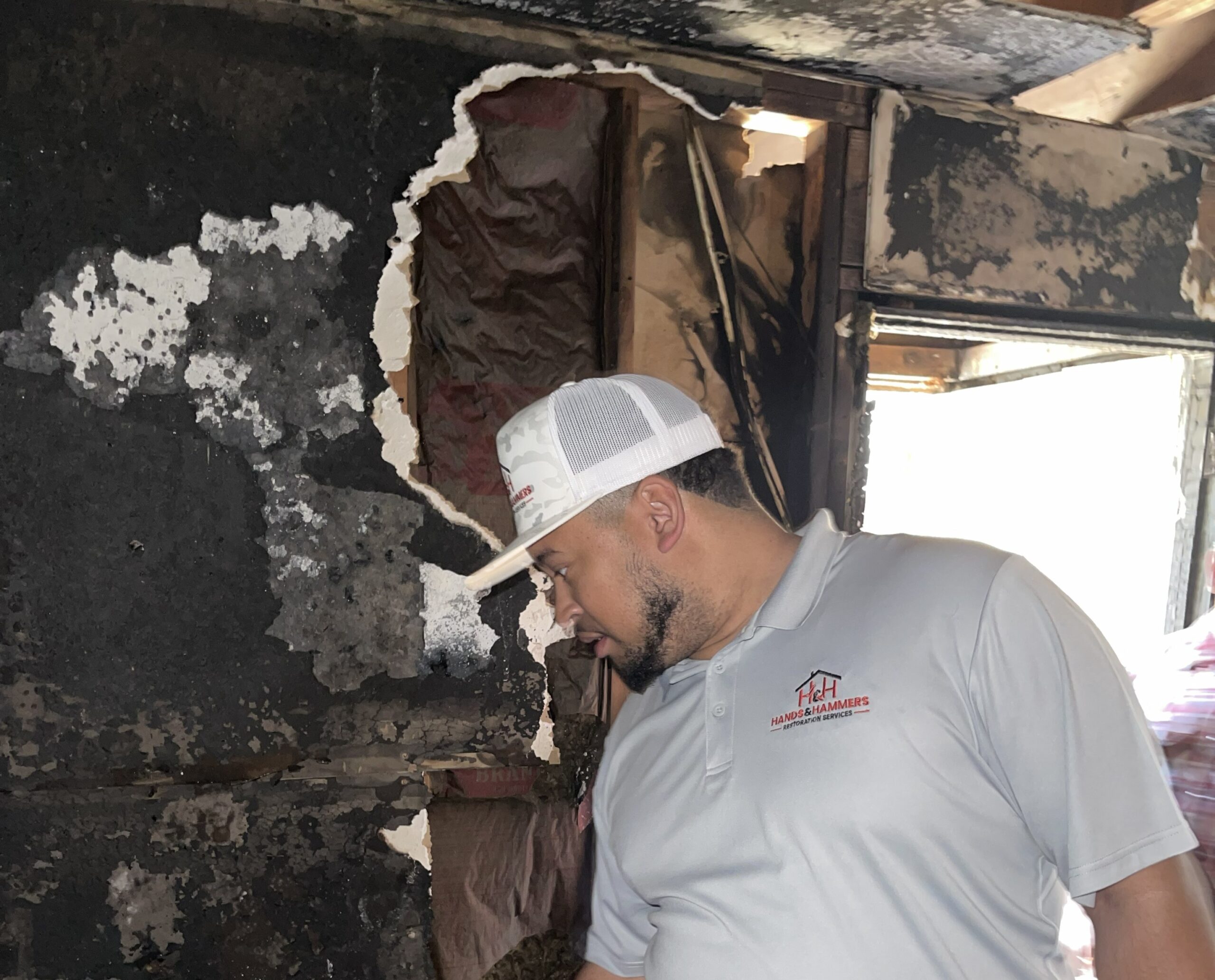
What Specific Testing Equipment Do Professionals Use?
You cannot treat a fire effectively if you do not know exactly what burned. Different materials create different types of soot, and each type requires a specific cleaning method.
Certified technicians use a specialized toolkit to map out the exact spread of the damage.
- Dry Chemical Sponges: These are not regular kitchen sponges. Made of a special vulcanized rubber, these dry sponges lift loose soot off walls and ceilings without using any liquid. Technicians use them to test how heavy the soot layer is and what cleaning solutions will work best.
- Thermal Imaging Cameras: Fire and water go hand-in-hand. Thermal cameras allow the crew to look behind your walls without tearing down the drywall. The screen shows temperature differences, revealing hidden pockets of water left by fire hoses.
- Laser Particle Counters: Smoke particles are microscopic. A laser particle counter measures the air quality by counting the number of contaminants floating in the room. This tells the team exactly how toxic the air is and what level of filtration is necessary.
- Hygrometers and Moisture Meters: These digital tools measure the humidity in the air and the moisture trapped inside wood and concrete. They ensure the drying process is working perfectly.
Understanding the Types of Soot
The testing phase identifies which of these common soot types is covering your home:
- Dry Soot: Comes from fast-burning fires involving wood or paper. It is powdery and easier to clean.
- Wet Soot: Comes from slow-burning, smoldering fires involving plastics and rubber. It is sticky, smears easily, and has a pungent odor.
- Protein Soot: Mostly found in kitchen fires. It is practically invisible but leaves a sticky, foul-smelling residue on cabinets and appliances.
How Do Experts Protect the Unburned Areas of Your Home?
One of the biggest risks during cleanup is cross-contamination. If you walk from the burned kitchen into the clean master bedroom, you track soot and ash with you. Professional smoke damage cleanup in Lewisville requires strict containment protocols. The goal is to isolate the dirty zones from the clean zones.
Building the Containment Zone
Technicians build physical barriers using heavy-duty 6-mil polyethylene sheeting. They tape these thick plastic sheets over doors, hallways, and vents to seal off the damaged rooms completely. They also install zipper doors in the plastic to allow workers to enter and exit without letting smoke particles escape.
Negative Air Pressure Systems
The most important tool for containment is the negative air machine. This device acts like a massive vacuum for the room. It pulls the dirty air out of the damaged space, forces it through a hospital-grade HEPA filter, and vents the clean air outside the house.
This creates “negative pressure.” Because the machine is constantly pulling air out, air from the rest of the house flows into the contained room when a worker unzips the plastic door. The contaminated air can never flow out into your clean living spaces.
HVAC System Protection
Your heating and cooling system acts as the lungs of your house. If soot gets into the return vents, the HVAC unit will blow toxic dust into every room. Technicians immediately shut down the HVAC system and help seal all the vents in the affected area with specialized tape and plastic.
Why Choose Hands & Hammers Restoration Services?
Recovering from a disaster requires a team you can trust implicitly. At Hands & Hammers Restoration Services, our crew consists of highly trained, IICRC-certified restoration experts. We do not just wipe down walls; we use advanced building science to fully restore your property to its original condition.
Our deep understanding of Texas construction and climate means we know exactly how quickly local homes degrade after a fire. We handle everything from the initial emergency board-up and water extraction to the final, meticulous soot removal services. We protect your unburned rooms with strict negative-air containment, ensuring your family breathes clean air throughout the entire process. When you need a property brought back to life safely, our certified technicians provide the exact expertise required to get the job done right.
Frequently Asked Questions
Can I just paint over the smoke stains on my walls?
No. Standard house paint will not adhere properly to an oily soot stain. The soot will eventually bleed through the new paint, and the smoke odor will remain trapped inside the room permanently.
How long does professional fire damage cleanup take?
The timeline depends heavily on the severity of the fire. Small kitchen fires might take a few days to clean and deodorize, while large structural fires can require weeks of specialized restoration work.
Do professionals clean the furniture and clothes inside the house?
Yes. Certified technicians offer content cleaning services. They inventory your belongings, carefully pack them up, and clean them at an off-site facility using specialized ultrasonic tanks and commercial deodorizers.
Final Thoughts
Fire damage extends far beyond what the flames touch. The unseen acidic soot, trapped moisture, and microscopic smoke particles demand a highly controlled, scientific approach. Trying to clean the damage yourself makes the situation worse and pushes toxic chemicals deeper into your home.
The only way to protect your property and safety is by relying on certified technicians from specialists like our team at Hands & Hammer Restoration Services. Our testing equipment and strict negative-air containment will be the perfect solution for your needs. If you need immediate help, contact us to deploy a certified team and restore your peace of mind.