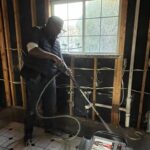
Water damage restoration is the process of removing water, drying a property, and repairing materials to prevent long-term decay. While small spills are manageable with a mop, any flooding involving grey water or saturation of structural materials usually requires professional intervention to ensure the building is safe and dry.
When Is It Safe to Handle Water Cleanup Yourself?
You can safely manage water cleanup if the source is clean (like a sink overflow or a broken supply line) and the affected area is limited to a small surface. If the water has not soaked into the drywall, baseboards, or subflooring, a standard shop vac and high-powered fans may suffice. However, if the water has sat for more than 24 hours, the risk of microbial growth increases significantly, making DIY efforts much riskier.
Many homeowners think they can save money by renting a carpet cleaner or using household fans. This works for the surface, but water follows the path of least resistance. It travels under the floorboards and up behind the paint on your walls. If you only dry what you can see, you are leaving the bones of your home wet. This leads to wood rot and weakened floor joists.
What Are the Hidden Risks of DIY Water Restoration?
The biggest risk of DIY water restoration is incomplete drying, which leads to hidden mold growth and structural damage. Household tools lack the power to pull moisture out of dense materials like studs and concrete. Without professional-grade dehumidifiers, the humidity in the room stays high, allowing mold spores to settle and grow in dark, unventilated spaces like wall cavities.
Another danger is the category of water. Experts classify water into three types:
- Category 1: Clean water from a broken pipe.
- Category 2: Grey water containing chemicals or bacteria (dishwasher or washing machine overflow).
- Category 3: Black water containing sewage or toxins (floodwater or sewage backups).
Handling Category 2 or 3 water without the right protective gear and antimicrobial treatments can cause serious health issues. Professionals use specialized cleaners that kill bacteria on contact, something a standard household bleach solution cannot always achieve on porous surfaces.
Why Do Professionals Use Thermal Imaging and Moisture Meters?
Professional restorers use moisture meters and thermal imaging cameras to find water trapped behind walls and under floors. These tools show exactly where the moisture is located without having to tear down every piece of drywall. This precision allows for targeted drying, which saves time and money by only removing the materials that are truly beyond repair.
In many cases, a DIY approach involves a lot of guesswork. You might think a wall is dry because it feels dry to the touch. In reality, the insulation inside that wall could be soaked. A pro will use a penetrating moisture meter to check the moisture content of the wood studs. If that wood stays wet, it will eventually warp, leading to cracked ceilings or sagging floors months after the initial leak.
The Professional Restoration Process Explained
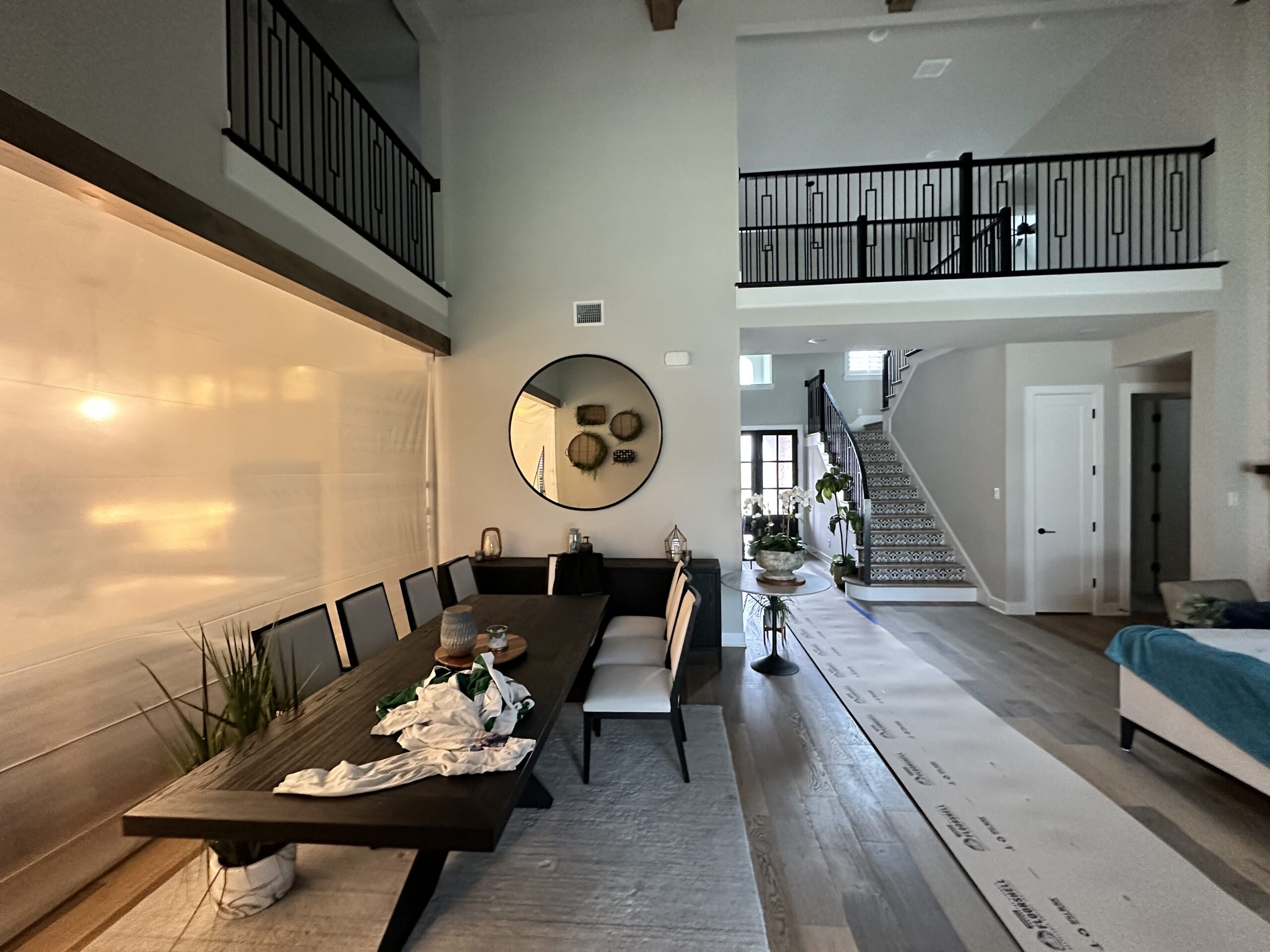
The professional process follows a strict sequence: inspection, water extraction, stabilization, drying, and monitoring. First, technicians use heavy-duty truck-mounted vacuums to remove standing water. Then, they set up an air path using industrial air movers and LGR (Low Grain Refrigerant) dehumidifiers to pull moisture from the air and the materials.
Monitoring is the step most DIYers skip. A restoration team returns to the home every day to take readings. They check if the drying goals are being met. They move equipment around to ensure there are no dead air spots where mold could start. This scientific approach ensures the home returns to its dry standard, which is the normal moisture level for that specific environment.
Will Insurance Cover DIY Restoration Efforts?
Insurance companies often prefer professional restoration because it includes a documented dry log that proves the work was done correctly. If you handle the cleanup yourself and mold appears six months later, the insurance company may deny the claim, citing negligence or failure to mitigate damage. Having a professional invoice and drying report protects your home’s value and your future claims.
When you hire a pro, they also help with the tedious parts of the insurance process. They take the before and after photos required by adjusters. They use industry-standard software to estimate costs, making it easier for your claim to get approved. Taking on this burden yourself while also trying to dry out your basement is a recipe for high stress and potential financial loss.
Common Pitfalls to Avoid During a Water Leak
Avoid using a standard household vacuum to suck up water; this creates an electrical shock hazard and can ruin the machine. Never leave wet rugs on top of hardwood floors, as this traps moisture and causes the wood to cup or crown almost instantly. Finally, do not wait to call for help. Mold can begin to colonize in as little as 24 to 48 hours in warm, damp conditions.
Another mistake is turning off the HVAC system. While you might think you’re saving money, your air conditioner or furnace actually helps move air and remove some moisture. However, if you suspect mold is already present, you should keep the system off to avoid spreading spores through the ductwork. It is a delicate balance that an expert can help you navigate.
Frequently Asked Questions
-
How long does the professional drying process take?
Most homes take between three to five days to dry completely. This depends on the amount of water, the types of materials affected, and the humidity levels. Dense materials like hardwood or plaster may take longer than standard drywall.
-
Can I stay in my home during the restoration?
In most cases, yes, though the equipment is loud and can be warm. If the water damage involves sewage (Category 3) or if the power must be turned off for safety, you may need to stay elsewhere until the area is sanitized.
-
Is bleach the best way to kill mold from water damage?
No, bleach is often ineffective on porous surfaces like wood or drywall. It can kill surface mold, but the water in the bleach can actually feed the roots of the mold deeper in the material. Professionals use EPA-approved biocides for better results.
-
What is the secondary damage I keep hearing about?
Secondary damage refers to problems caused by the moisture in the air, not the water itself. This includes peeling wallpaper, warped furniture, and mold growth in rooms that weren’t even touched by the initial leak.
Deciding between DIY and professional help depends on the scale of the leak and the risks you are willing to take with your property. While small tasks are manageable, professional water damage restoration ensures that your home is structurally sound and mold-free. Hands & Hammers Restoration Services provides expert water mitigation and structural drying to help you recover quickly from any flood or leak. We bring the tools and the experience needed to protect your investment and your health. Call us now for more information.