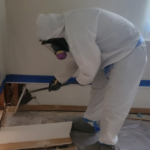
When a fire happens, extinguishing the flames is only the first step. The smoke, soot, and chemical residue left behind cause serious structural harm if handled incorrectly. A certified technician steps in right after the fire department leaves to stop this secondary...
Water damage restoration is the process of removing water, drying a property, and repairing materials to prevent long-term decay. While small spills are manageable with a mop, any flooding involving grey water or saturation of structural materials usually requires...
Rescue mats and Injectidry systems are the gold standard for restoring wet hardwood in North Texas because they use high-pressure vacuum suction to pull moisture directly through the wood’s grain and subfloor. Unlike traditional fans that only dry the surface, these...
When serious property damage occurs, restoration doesn’t always start with repairs. In many cases, the first and most important step is abatement. Abatement is the specialized process of safely containing, removing, or encapsulating hazardous materials from a...
Mold growth is a persistent concern for homeowners and commercial property managers alike. While water damage is often the most visible trigger, excess humidity is one of the most common and overlooked causes of mold infestation. Controlling indoor humidity levels is...
Recovering from a fire can feel overwhelming. Flames, smoke, and water from firefighting leave a property damaged. While it may seem simple to start cleaning and fixing things immediately, some actions can make the damage worse. Understanding common mistakes can save...