Standing pools of water inside a property undergo rapid biological changes when exposed to high ambient temperatures. When indoor climates surpass 85 degrees Fahrenheit, standard structures mimic a greenhouse, accelerating material degradation. Property owners must remove indoor water sources within the first few hours to prevent catastrophic structural losses. Delaying the cleanup process invites widespread secondary damage that requires complex structural overhauls.
Texas heat transforms minor leaks into major structural emergencies by driving up indoor humidity levels. As standing water absorbs thermal energy, evaporation rates spike, forcing moisture into air ducts, ceilings, and wall cavities. This airborne moisture settles on cool materials, creating hidden dampness throughout the building. Fast mechanical removal breaks this cycle before the structural integrity of the property drops.
What Happens to Standing Water When Indoor Temperatures Rise?
High indoor heat accelerates the evaporation process of standing pools inside a building. This rapid change turns liquid water into airborne vapor very quickly. The trapped moisture fills the air, raising indoor humidity levels to maximum capacity within hours.
When the air cannot hold any more moisture, condensation forms on cool surfaces throughout the property. This secondary moisture ruins ceilings, paint, and drywall far away from the initial leak site. Fast extraction stops this destructive cycle before airborne water damages unaffected rooms.
How Does Thermal Energy Accelerate Microbial Growth?
Fungal spores thrive in warm, damp environments and require very little time to colonize a property. Most household molds grow best in temperatures between 70 and 90 degrees Fahrenheit. Texas summer weather pushes indoor climates directly into this danger zone after an air conditioner shuts down.
Microscopic spores attach to saturated wood, carpet fibers, and drywall paper panels almost instantly. Visible colonies form within 24 to 48 hours under these ideal thermal conditions. Removing the liquid source right away denies these organisms the moisture they need to multiply.
Why Do Structural Materials Fail Faster in Hot Weather?
Porous building components absorb standing moisture much faster when individual water molecules carry high thermal energy. Wood framing swells, twists, and loses its load-bearing capacity as it drinks in the liquid. Drywall draws water upward through its core, causing the panels to sag and break apart under their own weight.
Hot water dissolves glues and adhesives much faster than cold water. Carpet backings separate from flooring strips, and vinyl tiles peel away from concrete subfloors. Rapid extraction lowers the total time these materials spend in a saturated state, which prevents permanent warping.
What Risks Does Trapped Humidity Pose to Indoor Electronics?
High indoor humidity creates a thin layer of moisture on every surface inside a house or business. This invisible dampness penetrates electronic casings, settling directly onto sensitive circuit boards. Metal components oxidize quickly when exposed to this airborne moisture, leading to premature rust.
When owners try to power up damp appliances, the mineral deposits cause sudden electrical shorts. Computer systems, television sets, and kitchen appliances face permanent failure from this hidden corporate threat. Keeping the air dry through immediate water removal protects these expensive technological investments from failure.
How Does High Heat Change Water Damage Categories?
Water damage worsens over time as bacteria and organic matter multiply inside the stagnant pool. Clean water from a broken supply line quickly degrades into grey or black water when heat speeds up bacterial growth. Warm conditions allow microbes to double their population every twenty minutes.
- Category 1 (Clean): Fresh liquid from a supply pipe that poses minimal health risks.
- Category 2 (Grey): Saturated fluid with some chemical or biological contaminants.
- Category 3 (Black): Highly dangerous liquid containing pathogens that cause serious illnesses.
A clean pipe burst can turn into a biohazard within 24 hours during a hot summer day. This rapid degradation means workers must use advanced protective gear and heavy disinfectants during cleanup. Extracting the liquid immediately prevents clean water from turning into a dangerous biological hazard.
Why Do Wood Floors Buckle Under Thermal and Moisture Pressures?
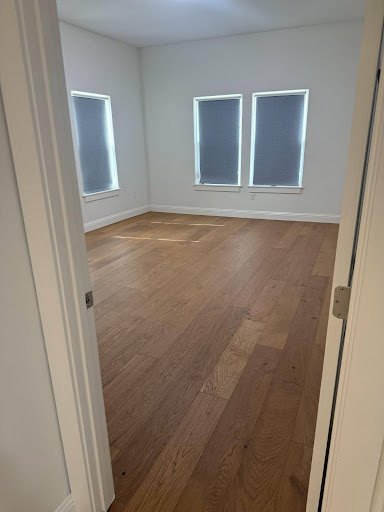
Hardwood floor planks expand naturally when they absorb liquid from a slab leak or local flood. When high heat accompanies the moisture, the wood fibers expand past their physical limits. The edges of the planks push against each other, forcing the center of the boards to rise upward.
This movement causes cupping or crowning, which ruins the smooth surface of a floor permanently. If the water remains in place, the entire floor can detach from the subfloor and buckle completely. Industrial pressure mats must draw the moisture out quickly to save the expensive wood material from the trash pile.
Why Do Hardwood Floors Buckle Under Thermal Pressure?
Natural wood planks expand sideways when they absorb liquid from a slab leak or external storm runoff. When high indoor heat accompanies this moisture, the individual wood cells swell past their physical thresholds. The expanding planks crowd each other, leaving no room for natural movement along the subfloor joints.
This physical restriction forces the center of the wood boards upward, creating a wavy condition known as cupping. If the water remains trapped beneath the surface, the fasteners tear free from the subfloor, buckling the entire floor. Industrial extraction teams must apply specialized vacuum mats to draw the fluid straight out of the wood grain before permanent warping occurs. Saving these expensive installations requires immediate action before the wood fibers split apart.
What Happens to Building Insulation and Air Ducts?
Fiberglass insulation blankets lose their ability to resist heat flow when they become wet. The material mats down, traps water inside its fibers, and remains damp for weeks if undisturbed. This hidden moisture rusts metal wall studs and rots wood framing from the inside out.
Air conditioning ducts pull this humid air into the ventilation system, spreading musty odors everywhere. Condensation forms inside the dark ductwork, creating perfect hidden breeding grounds for dangerous airborne spores. Extracting water from the property prevents these HVAC components from spreading contamination through the building.
How Does Trapped Vapor Risk Costly Electronic Failures?
A flooded building undergoes rapid evaporation on hot days, turning standing liquid into heavy airborne vapor. This dense humidity fills every room, settling as fine condensation on cool surfaces like electronic circuit boards. Metal connectors oxidize when exposed to this airborne dampness, causing immediate surface rust.
Turning on computers, entertainment systems, or kitchen appliances that contain hidden condensation causes permanent electrical shorts. The airborne moisture also settles inside major appliance motors, destroying internal wiring insulation. Property owners face severe financial losses when high humidity ruins these advanced technical assets. Keeping indoor moisture low through immediate water extraction saves these electronic components from premature failure.
Structural Integrity: Identifying Saturated Load-Bearing Areas
Large amounts of water can weaken the materials that hold your home together within the first day. Subflooring made of particleboard can crumble, and ceilings can sag under the weight of trapped water from a second-floor leak. Look for “bubbles” in the ceiling paint, which indicate a pool of water is sitting on the other side of the drywall.
If you see a sagging ceiling, stay out of that room until a professional can safely drain the area. Protecting the structure of your house is the primary goal of the first sixty minutes of work. Heavy water loads can cause a ceiling to collapse without warning, causing injury and further property damage. Identifying these “swollen” areas early allows technicians to perform controlled “flood cuts” to release the pressure. This keeps the damage contained to a single room instead of the entire floor.
Frequently Asked Questions
How Fast Should Water Be Extracted After a Leak in Texas?
Property owners must extract standing liquid within the first 24 hours to prevent severe structural issues. Fungal growth begins spreading within 48 hours when indoor temperatures rise above 70 degrees Fahrenheit. Waiting longer increases total repair costs because materials degrade much faster in hot conditions.
Can an Air Conditioner Dry Out a Flooded Room?
Standard air conditioning units cannot remove the massive volume of moisture produced by standing water. The cooling system will become overwhelmed, causing ice to form on the evaporator coils and shutting down the machine. Professionals must use industrial dehumidifiers and high-speed air movers to dry a building safely.
Why Does the Smell of Water Damage Get Worse in the Afternoon?
Rising outdoor temperatures heat up the building, which increases the evaporation rate of the trapped moisture. This process releases volatile organic compounds from decaying wood, wet carpet, and active fungal colonies into the air. The humid afternoon air traps these odors inside the living space, making the smell much stronger.
Is It Safe to Walk Through Warm Floodwater Inside a Building?
Walking through warm floodwater is highly dangerous because heat accelerates the growth of harmful pathogens and bacteria. The liquid may also conceal dropped electrical wires, creating a major shock hazard for anyone in the room. Disconnect the main power breaker before entering any area with standing water.
Get Professional Water Damage Restoration Services
When unexpected leaks or storm waters invade your property, fast response saves your structural materials from permanent destruction. Hands & Hammers Restoration Services provides emergency extraction services to remove standing liquid before high heat accelerates the damage. Our trained professionals use heavy-duty pumps, industrial dehumidifiers, and advanced moisture meters to dry your building completely. Contact us today to secure your property and start the structural recovery process with local experts.