Mold growth is a persistent concern for homeowners and commercial property managers alike. While water damage is often the most visible trigger, excess humidity is one of the most common and overlooked causes of mold infestation. Controlling indoor humidity levels is not only a preventive measure but a critical component of maintaining a healthy and structurally sound property. Understanding how humidity influences mold development can help property owners take proactive steps to reduce risk and avoid costly remediation.
The Relationship Between Humidity and Mold Growth
Mold spores are naturally present in the air and can enter buildings through open doors, windows, ventilation systems, and even on clothing. Under normal conditions, these spores remain dormant. However, when indoor humidity levels rise above 60 percent, the environment becomes ideal for mold to grow and spread rapidly.
Why High Humidity Creates the Perfect Environment
Mold requires three main elements to thrive: moisture, organic material, and moderate temperatures. Indoor spaces provide abundant organic materials such as wood, drywall, carpet, and insulation. When humidity levels remain elevated, moisture accumulates on surfaces and within porous materials, supplying the final ingredient mold needs to colonize. Bathrooms, kitchens, basements, and poorly ventilated areas are particularly vulnerable due to frequent moisture exposure and limited air circulation.
The Risks Associated With Mold Infestation
Unchecked mold growth can compromise both property integrity and occupant health. It can weaken structural components, stain surfaces, and produce persistent odors that are difficult to eliminate. More importantly, mold exposure may trigger allergic reactions, respiratory problems, headaches, and other health concerns, especially in individuals with asthma or weakened immune systems.
Structural and Financial Implications
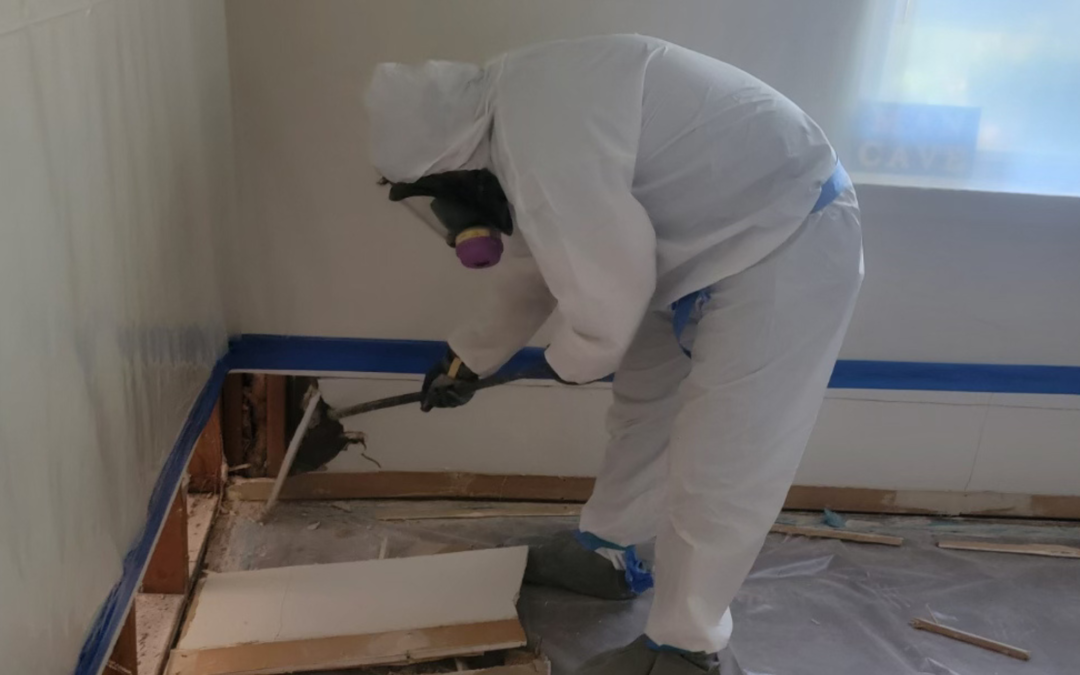
Beyond health risks, mold can significantly reduce property value. Prolonged exposure to high humidity can cause wood to warp, drywall to deteriorate, and insulation to lose effectiveness. What begins as a minor moisture issue can escalate into extensive remediation requiring material removal and reconstruction. Proactive humidity control is far more cost-effective than addressing widespread mold damage.
Ideal Indoor Humidity Levels for Prevention
Maintaining indoor humidity between 30 and 50 percent is widely recommended to inhibit mold growth. This range provides enough moisture for comfort while minimizing condensation and surface dampness. Monitoring humidity with a reliable hygrometer allows property owners to identify fluctuations and respond before conditions become problematic.
Seasonal Considerations
Humidity levels can vary significantly depending on the season. During warmer months, high outdoor humidity can infiltrate indoor spaces, particularly in regions with humid climates. In colder months, condensation may form on windows and walls due to temperature differences between indoor and outdoor air. Year-round monitoring and adjustments are essential to maintaining consistent moisture control.
Effective Strategies for Humidity Control
Managing indoor humidity requires a combination of ventilation, moisture management, and climate control systems. Proper ventilation in high-moisture areas such as bathrooms and kitchens helps expel humid air before it accumulates. Exhaust fans should be used during and after activities that generate steam, such as showering or cooking.
Dehumidifiers are highly effective in maintaining optimal humidity levels, particularly in basements and crawl spaces where natural airflow is limited. Air conditioning systems also contribute to moisture reduction by removing excess humidity as they cool indoor air. Additionally, promptly repairing leaks, sealing cracks, and ensuring proper drainage around the property prevents unwanted moisture intrusion.
The Importance of Professional Assessment
In some cases, persistent humidity issues may indicate underlying structural or ventilation problems. Professional inspection can identify hidden moisture sources, insulation deficiencies, or HVAC inefficiencies contributing to elevated humidity levels. Early intervention ensures that minor concerns do not evolve into significant mold infestations.
Hands & Hammers Restoration Services provides expert moisture assessment, mold prevention solutions, and comprehensive restoration support to keep your property safe and protected. If you are concerned about humidity levels or potential mold growth, contact us today for professional guidance and reliable service tailored to your needs.