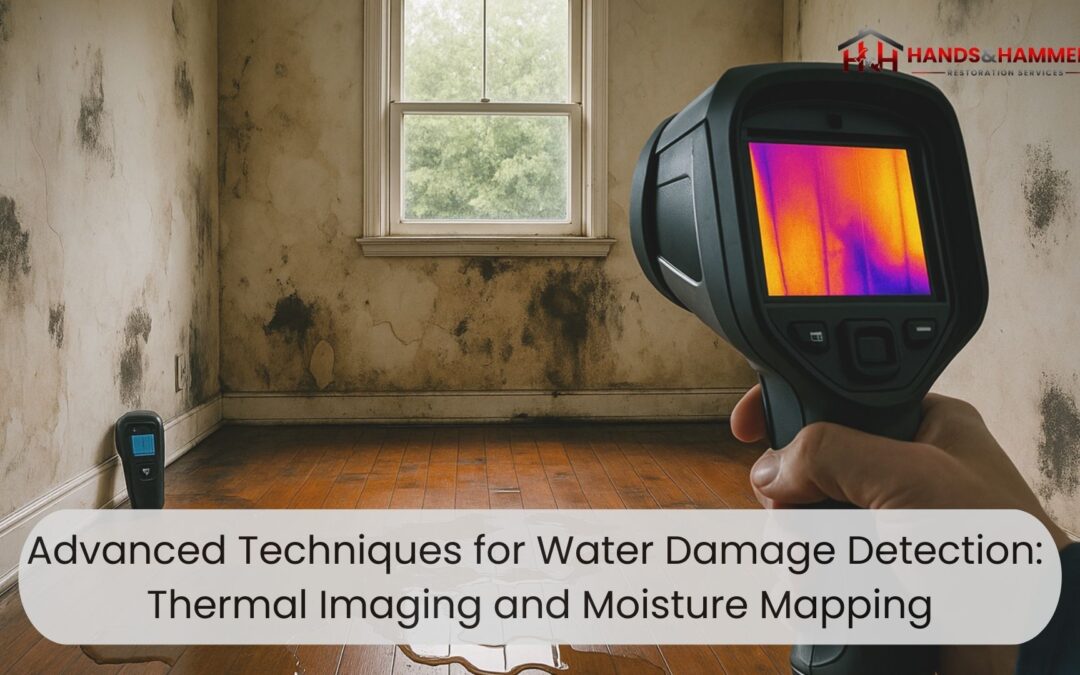
- Thermal imaging and moisture mapping help professionals detect hidden moisture early, long before it becomes visible or causes major structural issues.
- These advanced tools reveal moisture patterns, insulation damage, leak sources, and drying progress with accuracy, making restoration faster and more precise.
- Homeowners benefit from clearer insights, stronger documentation, and smarter restoration plans that prevent long-term water damage and unnecessary repairs.
Water hides well. It slips behind walls, settles under flooring, moves into insulation, and travels through building materials long before it makes itself obvious. Many homeowners only notice it once a stain appears, wood swells, or a musty smell refuses to disappear. By then, the damage has usually spread far beyond the surface. Today’s real advantage lies in finding the problem before it becomes visible, before mold takes hold, before materials weaken, and before a minor issue becomes a costly rebuild.
Here is how advanced techniques like thermal imaging and moisture mapping transform water damage detection and make restoration smarter and safer for every homeowner.
Why Modern Detection Matters More Than Ever
Water behaves in unpredictable ways, especially inside walls and under surfaces. Traditional methods rely heavily on visible signs or inspections that require some level of demolition. Modern tools shift the process toward early detection, and early detection means far less disruption and far more accuracy.
Thermal cameras and moisture meters have become essential for professionals because they help map out what’s happening beneath the surface without tearing anything apart. This lets restoration teams understand the full picture before taking action, leading to more precise decisions and faster solutions.
Hidden Water Spreads Faster Than Most Homeowners Realize
Moisture travels through drywall, studs, flooring, insulation, and even concrete. What starts as a small leak around a pipe, appliance, or roof line can migrate across an entire wall section. Without proper detection, it’s easy to underestimate the true reach of the problem. Advanced technologies detect these hidden pockets of moisture early, preventing deeper structural issues.
Early Detection Prevents Mold Growth
Mold grows quickly, and once it sets in, the cleanup becomes more complex. Using thermal imaging and moisture mapping, professionals can flag damp zones that aren’t yet showing surface signs. This early awareness lets teams take preventive steps that stop mold from spreading, saving homeowners stress and money.
Modern Tools Catch Issues That Look Minor but Aren’t
A tiny stain on the ceiling may not seem alarming, but behind that stain could be long-term moisture buildup. Thermal imaging reveals temperature differences caused by wet insulation or hidden leaks. Moisture mapping confirms how far the moisture has travelled, making sure no section is overlooked during repairs.
Surface-Level Checks Are No Longer Enough
Touching a wall to check if it feels damp is unreliable. Some materials absorb water beneath the surface but stay dry to the touch. Others hide moisture in layers. Technology removes the guessing. It shows what’s happening across the entire area, ensuring the restoration process starts with accurate information.
Homeowners Get Clearer Answers and Faster Action
Advanced detection creates transparency. Professionals can show homeowners exactly where the problem is and what needs to be done. This builds trust and speeds up decisions because everyone has access to the same clear data. That transparency becomes especially valuable when documenting issues for insurance claims or planning repairs.
How Thermal Imaging Finds What Your Eyes Can’t
Thermal imaging is one of the most powerful tools in the restoration world. It reads temperature differences on surfaces and reveals patterns that indicate moisture. Since wet areas cool more slowly or hold heat differently than dry materials, thermal cameras draw a vivid picture of where moisture is hiding.
For homeowners, this means understanding the problem without pulling apart walls or flooring right away. For professionals, it means being able to pinpoint the source efficiently and create targeted, efficient solutions.
Identifying Cold Pockets Indicates Hidden Moisture
Moisture affects temperature. Thermal cameras show these shifts through color patterns, allowing experts to spot hidden wet spots even when the wall looks perfectly normal. Cold pockets often appear near plumbing lines, window frames, and roof penetration points, common areas for unnoticed leaks.
Catching these cold zones early prevents moisture from spreading deeper into structural materials. It also helps professionals act quickly before a small issue turns into widespread water damage.
Seeing Moisture Patterns Guides Repair Plans
Thermal imaging reveals how water is moving. Instead of checking only the visibly affected section, professionals can follow the trail and understand the full path. This helps them decide whether the issue is localized or widespread, guiding smarter repairs and avoiding unnecessary demolition.
This targeted approach saves homeowners from paying for repairs they don’t actually need. It also ensures that the team focuses their efforts where they will have the greatest impact.
Detecting Insulation Damage Early
Wet insulation loses effectiveness. Thermal imaging helps identify insulation that has absorbed moisture, allowing professionals to address the problem before it leads to energy loss, mold, or further structural damage. It’s a powerful way to protect walls and ceilings before the damage grows.
By pinpointing damp insulation early, restoration crews can replace only the affected areas instead of entire sections. This preserves energy efficiency and helps homes stay comfortable year-round.
Finding Leaks Without Disrupting the Home
Before thermal cameras, leak detection often meant cutting into walls just to locate the source. Thermal imaging eliminates that disruption. It allows teams to trace moisture back to its origin, whether it’s a pipe leak, roof issue, or window seal problem, with much less guesswork.
Less disruption means families can continue their routines without major interruptions. It also reduces unnecessary repair costs by revealing exactly where the problem begins.
Helping Homeowners Visualize the Problem Clearly
Homeowners often feel lost when facing hidden water damage, because the trouble isn’t visible. Thermal images give a clear, visual explanation. Seeing the affected areas makes the problem easier to understand and helps homeowners feel more confident in the repair plan.
This visual clarity also supports better communication between homeowners and restoration teams. When everyone sees the same evidence, decisions become easier and far more collaborative.
Moisture Mapping: The Blueprint for Complete Restoration
While thermal imaging shows temperature changes, moisture mapping measures the actual moisture levels in materials. Together, they create a complete picture. Moisture mapping uses meters and sensors to quantify how wet different materials are, helping professionals understand which areas need drying, monitoring, or removal.
This precise approach ensures no damp pockets are missed, because even small amounts of hidden moisture can cause big problems later.
Measuring Moisture Levels at Different Depths
Moisture meters can detect wetness on the surface and deep within materials. This matters because moisture can hide inside wood, drywall, or subflooring long before it appears outside. Moisture mapping gives a layer-by-layer understanding of the situation.
These detailed readings help teams decide exactly where to focus their drying efforts instead of treating the entire area blindly. It also prevents homeowners from facing recurring moisture issues that were never fully identified the first time.
Creating a Clear Moisture Distribution Map
Professionals convert the readings into a map that highlights wet, partially wet, and dry zones. This map becomes the foundation for the restoration plan. It helps determine whether the home needs drying, removal of materials, or further inspection.
The map makes it easier to communicate findings with homeowners because it visually shows how far moisture has spread. It also allows restoration crews to work in a more organized and efficient way, reducing delays and unnecessary fixes.
Monitoring the Drying Process Accurately
Restoration isn’t just about finding moisture; it’s about eliminating it. Moisture mapping lets professionals track progress over time. By checking readings regularly, they ensure that every hidden layer is drying correctly and that there’s no risk of lingering moisture.
This step-by-step tracking keeps the restoration process safe and reduces the chances of mold growth or slow internal drying. Homeowners get peace of mind knowing that drying has been verified instead of assumed.
Preventing Future Structural Problems
Moisture trapped in wood, studs, or flooring can weaken structures and lead to long-term damage. By locating every damp section and tracking its drying, moisture mapping adds a layer of protection. It confirms that the structure is safe long before reconstruction begins.
Catching these issues early helps avoid expensive repairs months or years down the line. It also ensures that once rebuilding starts, it’s done on a foundation that is fully dry and stable.
Strengthening Documentation for Insurance Claims
Accurate moisture maps make the insurance process easier. They offer clear evidence of the damage and the steps taken to fix it. Homeowners benefit because the restoration process becomes more transparent, and claims are supported by measurable data from expert restoration services.
This documentation also protects homeowners from disputes about what was damaged and what wasn’t. It creates a trusted record that shows the work was necessary and managed responsibly from start to finish.
When Technology Protects Your Home
Advanced detection is more than a set of tools; it’s extra security. When technology is used well, homeowners don’t just fix a problem; they gain a clearer understanding of their home and the peace of knowing nothing has been overlooked. This level of care turns restoration from a stressful experience into an informed, protected, and well-guided process, even in moments that feel overwhelming.
Hands & Hammers Restoration Services helps you protect your home with precision-driven detection and repair. Get in touch for fast, reliable restoration services when you need them most.
| Focus Keywords | Thermal imaging water detection
Moisture mapping techniques Advanced water damage inspection |
| Internal Links to Business | https://hnh-restoration.com/ https://hnh-restoration.com/contact-us/ https://hnh-restoration.com/about/ https://hnh-restoration.com/water-damage/ |
| Blog Topic | Advanced Water Damage Detection Techniques |
| Word Count | 1500 |
| Title Tag | Advanced Techniques for Water Damage Detection |
| URL | /advanced-Techniques-for-water-damage-detection |
| Alt Text | Image 1: A technician using a thermal imaging camera to inspect a water-damaged room with mold on the walls and water pooled on the wooden floor. Image 2: A heavily water-damaged room with broken tiles, exposed wall material, and debris scattered across the floor. |
| Meta Description | Explore how thermal imaging and moisture mapping deliver faster, more accurate water damage detection and help protect your home from hidden moisture issues. |