
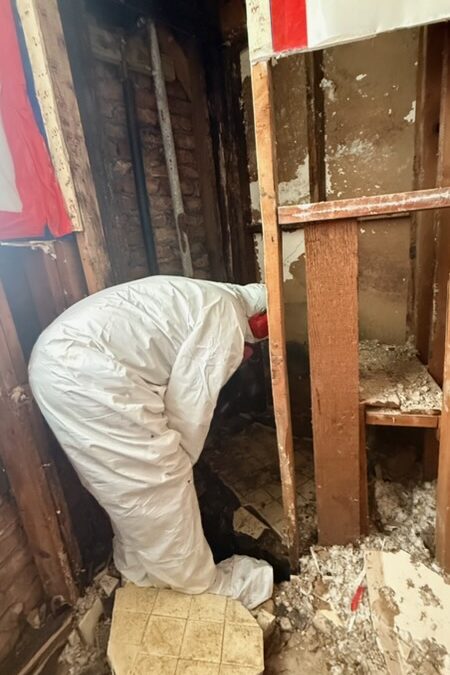
When serious property damage occurs, restoration doesn’t always start with repairs. In many cases, the first and most important step is abatement.
Abatement is the specialized process of safely containing, removing, or encapsulating hazardous materials from a property. These materials can include asbestos, mold, lead, sewage contamination, and chemical residues left behind after fire damage or other environmental hazards.
Before rebuilding or structural repairs can begin, these hazards must be safely removed to protect the health of homeowners, occupants, and restoration crews.At Hands & Hammers Restoration, abatement is handled with strict safety protocols and professional containment systems to ensure your home is safe before the rebuilding process begins.
Restoring Homes. Rebuilding Lives.
What Does Abatement Mean in Restoration?
In the restoration industry, abatement refers to the controlled removal or containment of hazardous materials that could pose a risk to human health. Unlike general cleanup or basic repairs, abatement focuses specifically on eliminating dangerous contaminants that can spread through the air, surfaces, or building materials.
Abatement services may include:
- Mold remediation and mold abatement
- Asbestos removal
- Lead paint abatement
- Sewage contamination cleanup
- Major fire damage residue removal
- Methamphetamine lab contamination cleanup
These situations require specialized equipment, containment systems, and trained professionals to ensure the hazard is removed safely and effectively.
Why Containment Is Critical During Abatement
One of the most important parts of an abatement project is containment.
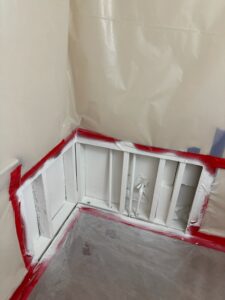
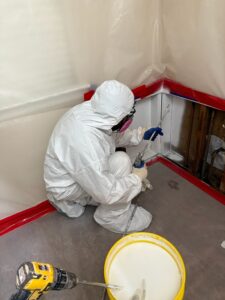
To prevent hazardous materials from spreading throughout a property, restoration professionals create sealed containment zones using heavy-duty plastic sheeting and strong industrial tape designed to create airtight barriers.
These containment systems are designed to:
- Prevent airborne contaminants from spreading
- Protect unaffected areas of the property
- Maintain controlled airflow during the removal process
- Provide a safe working environment for restoration crews
The materials used during containment must be strong enough to hold poly sheeting for extended periods of time, ensuring the barrier remains intact throughout the entire abatement process. In many cases, the surfaces inside the containment area may later be demolished or stripped down after the hazardous materials are removed, which is why the strength and durability of containment materials are essential.
Health Risks of Hazardous Materials in Homes
Hazardous materials can pose serious health risks if not properly addressed.
For example:
Mold exposure can cause respiratory problems, allergies, and indoor air quality issues.
Asbestos fibers, when disturbed, can become airborne and increase the risk of lung disease when inhaled.
Lead dust from older paint can be particularly dangerous for children.
Sewage contamination introduces bacteria and pathogens that can spread illness.
Professional abatement removes these risks at the source, creating a safe environment for restoration and rebuilding.
The Abatement Process: Step by Step
A professional abatement project typically follows several important steps:
1. Inspection and Hazard Identification
The restoration team evaluates the property to determine the type and extent of hazardous materials present.
2. Containment Setup
Heavy-duty plastic sheeting and industrial tape are used to build airtight containment barriers around the affected area.
3. Air Filtration and Safety Controls
Specialized equipment helps control airflow and prevent contaminants from escaping the containment zone.
4. Hazardous Material Removal
The contaminated materials are carefully removed, sealed, and disposed of according to safety regulations.
5. Cleaning and Clearance
Once the hazardous materials are removed, the area is thoroughly cleaned and prepared for the next stage of restoration.
Abatement Comes Before Restoration
Abatement is not the final step—it’s the first step toward restoring your property.Once hazardous materials are safely removed, the restoration process can continue with:
- Structural drying
- Repairs and reconstruction
- Replacement of damaged materials
- Interior restoration
Addressing hazards early ensures the rebuilding process can move forward safely and effectively.
Professional Abatement Services in Dallas–Fort Worth
If your home has experienced water damage, fire damage, mold growth, or hazardous contamination, professional abatement services may be required before repairs begin.
The team at Hands & Hammers Restoration provides safe, professional abatement and restoration services throughout the Dallas–Fort Worth area. Our trained professionals use industry-approved containment methods and specialized equipment to eliminate hazardous materials and prepare your home for restoration.
When disaster strikes, you can trust our team to handle the most critical first step.
Hands & Hammers Restoration
Restoring Homes. Rebuilding Lives.